
RPAS Pilot Training Courses
NHM Drone Services Namibia offers professional theoretical and practical RPAS training designed to develop competent, confident and safety-conscious remote pilots. Our training programmes combine aviation expertise, regulatory knowledge and practical flight instruction to prepare students for safe and effective RPAS operations.
Our RPAS Training Programmes

Theoretical Knowledge Training
Radiotelephony
RPAS VLOS
RPAS BVLOS
RPAS Night Rating
RPAS Instructor Rating
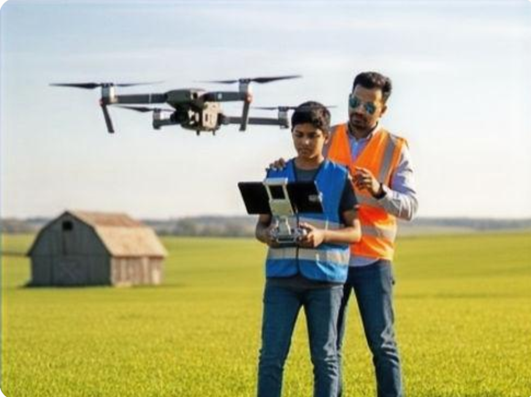
Practical Flight Training
RPAS VLOS
RPAS EVLOS
RPAS BVLOS
RPAS Night Rating
RPAS Flight Instructor Rating
Explore Our Training Courses
Radiotelephony Theoretical Knowledge

Applicants should meet the following requirements:
Be aspiring Remote Pilots seeking to obtain an initial Remote Pilot Licence (RPL).
Have sufficient proficiency in spoken and written English to undertake aeronautical radiotelephony training and achieve a minimum of ICAO English Language Proficiency Level 4.
Course Entry Requirements
Course overview
This course introduces students to aeronautical radiotelephony theoretical knowledge, standard communication procedures and the principles of clear, accurate and effective aviation communication.
Aeronautical communication procedures
Standard radiotelephony phraseology
Radio communication equipment
Emergency and urgency communications
Practical communication exercises
Key Learning Areas
RPAS VLOS Theoretical Knowledge

This course is intended for aspiring Remote Pilots seeking an initial RPL with a VLOS rating.
Applicants should:
Have a basic understanding of RPAS and aviation principles, or be prepared to develop that knowledge during training.
Meet the applicable age and licensing eligibility requirements (16 yrs old), and
Be able to understand and communicate effectively in English.
Previous aviation experience is beneficial but not mandatory.
Course Entry Requirements
This course provides aspiring remote pilots with the theoretical knowledge required to conduct safe and compliant RPAS operations within Visual Line of Sight (VLOS). It covers essential aviation principles, regulatory requirements, flight planning and operational procedures to prepare students for practical flight training.
Course overview
Aviation Law and RPAS Regulations
Aircraft General Knowledge and Principles of Flight
Aviation Meteorology and Navigation
Human Performance and Limitations
Flight Planning and Operational Procedures
Aviation Safety and Emergency Procedures
Key Learning Areas
RPAS BVLOS Theoretical Knowledge
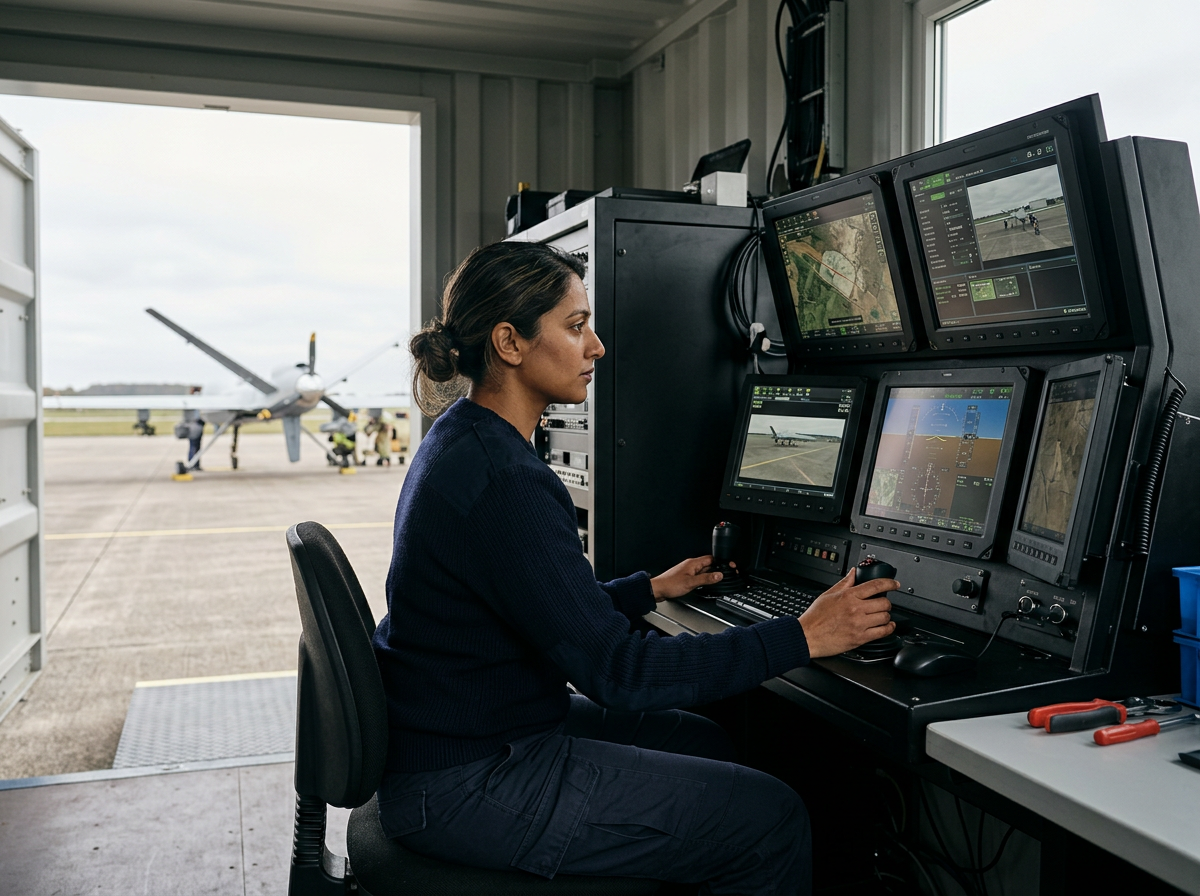
Applicants wishing to enrol in the RPAS BVLOS training programme must:
Hold a valid RPL with a VLOS rating in the relevant RPAS category.
Have accumulated a minimum of 10 hours as Pilot-in-Command (PIC) in that RPAS category under VLOS.
Have paid the full tuition fees for the course.
Applicants must also satisfy the applicable VLOS requirements.
Course Entry Requirements
This course provides remote pilots with the advanced theoretical knowledge required to plan and conduct safe Beyond Visual Line of Sight (BVLOS) operations. It covers BVLOS regulatory requirements, advanced flight planning, command and control systems, detect-and-avoid principles, navigation, emergency procedures and operational risk management.
Course overview
BVLOS Regulatory Requirements and Operational Procedures
Advanced Navigation and Mission Planning
Command and Control (C2) Links and Communications
Detect and Avoid Systems
BVLOS Emergency Procedures and Contingency Planning
Human Factors, Safety and Operational Risk Management
Key Learning Areas
RPAS Night Rating Theoretical Knowledge
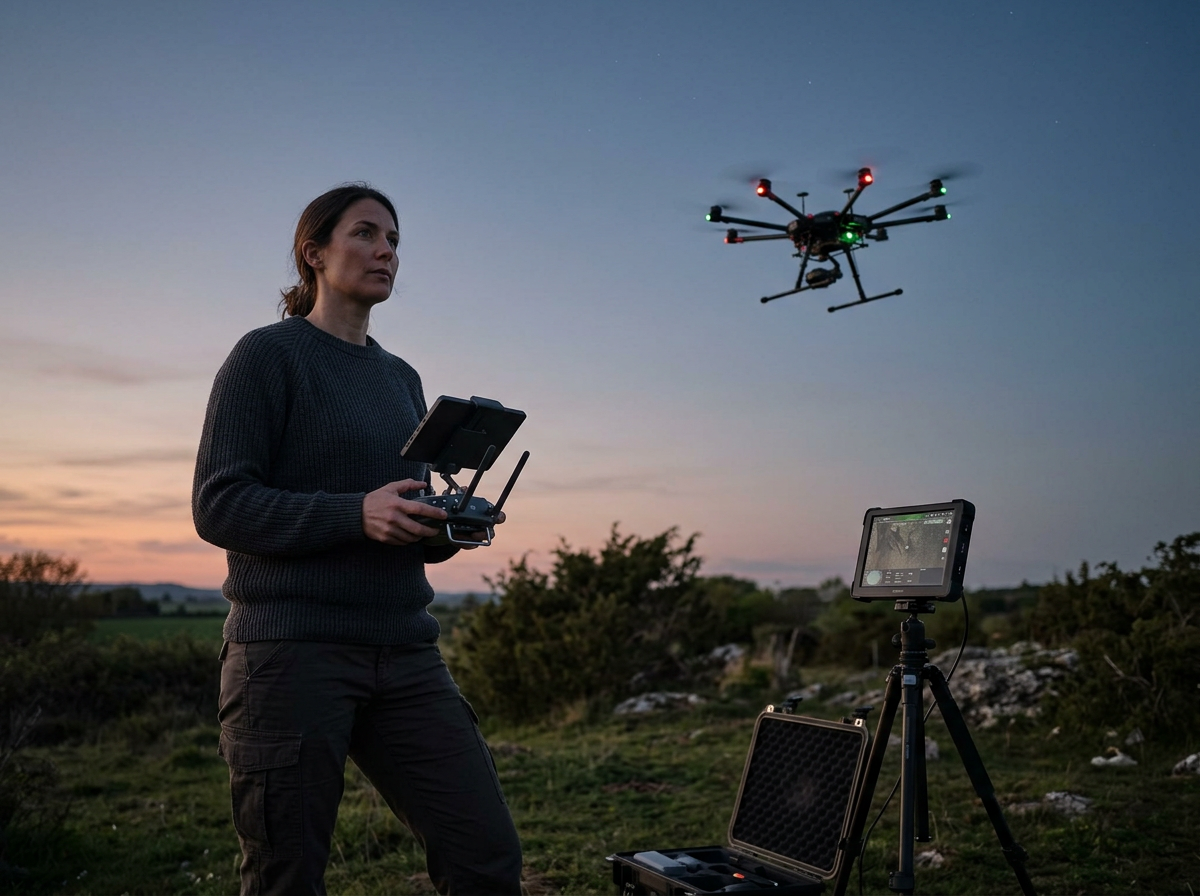
Applicants wishing to enrol in the RPAS Night Rating training programme must:
Hold a valid Remote Pilot Licence (RPL).
Have accumulated a minimum of 10 hours of VLOS flight experience.
Successfully complete a daylight proficiency check, including simulated emergency procedures, before commencing night flight training.
Course Entry Requirements
This course equips qualified remote pilots with the theoretical knowledge required to conduct safe and effective RPAS Visual Line of Sight (VLOS) operations at night. It addresses night-specific operational challenges, regulatory requirements, human factors, flight planning and emergency procedures to prepare pilots for night flight training.
Course overview
Night Operations Regulations and Operational Requirements
Night Vision, Visual Illusions and Human Factors
Night Flying Equipment and Lighting Systems
Night Flight Planning and Risk Management
Night Flight Techniques and Aircraft Orientation
Night Emergency Procedures and Relevant Airmanship
Key Learning Areas
RPAS Flight Instructor Rating Theoretical Knowledge
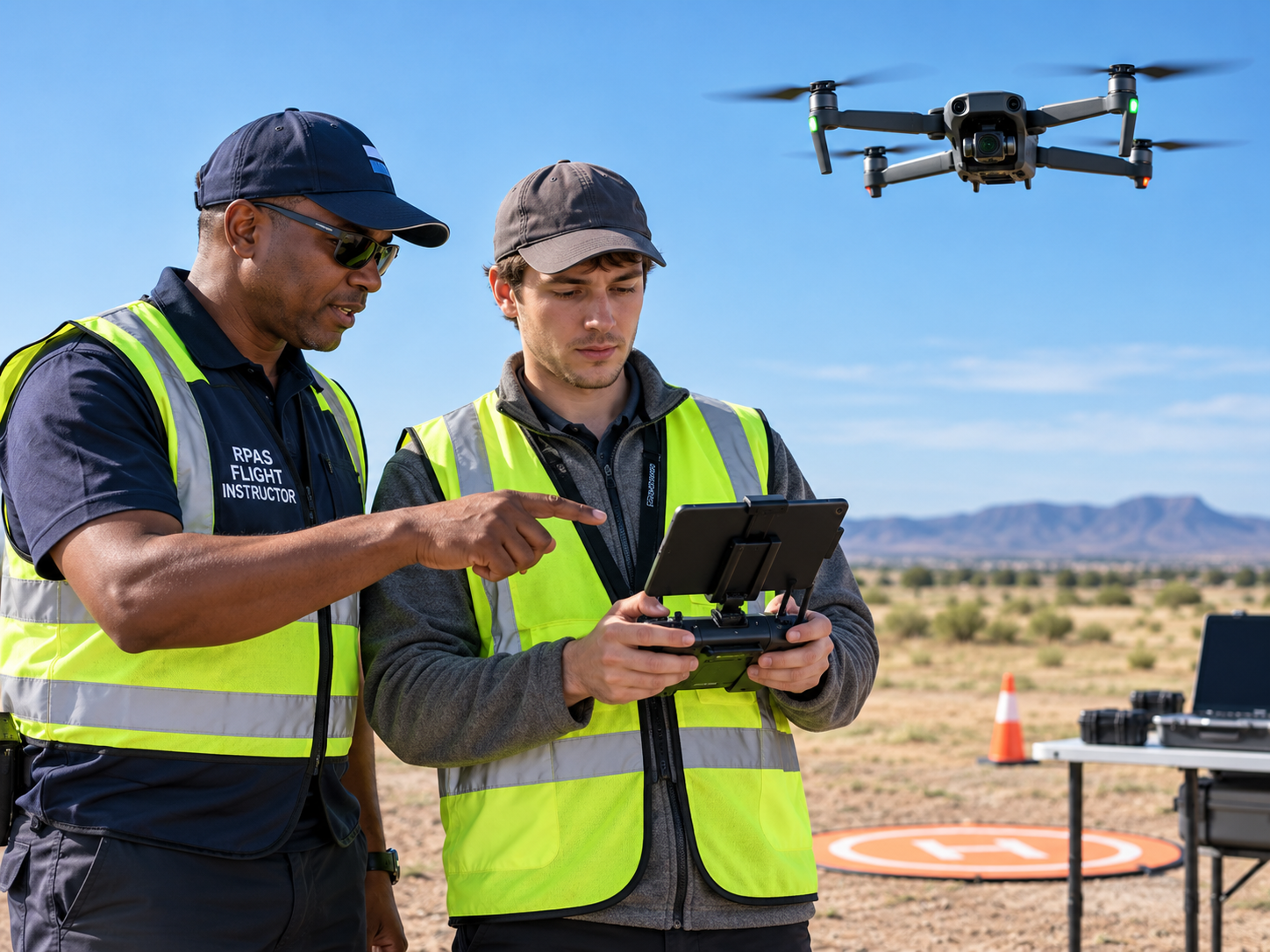
Applicants wishing to enrol in the RPAS Flight Instructor Rating training programme must:
Hold a valid Remote Pilot Licence (RPL) with at least a VLOS rating in the RPAS category for which the Instructor Rating is sought.
Have accumulated a minimum of 30 hours as Pilot-in-Command (PIC) in the relevant RPAS category.
Have paid the full tuition fees for the course.
Applicants must also satisfy the applicable VLOS requirements.
Course Entry Requirements
Course overview
This course prepares experienced remote pilots to become competent RPAS flight instructors by developing the theoretical knowledge and instructional techniques required to deliver effective classroom and practical flight instruction. It covers lesson preparation, instructional methods, flight performance assessment, pre-flight briefings, instructional patter, post-flight debriefings and training documentation.
Key Learning Areas
Academic Instructional Techniques
Preparing Theoretical Knowledge and Flight Exercise Presentations
Flying Instructional Techniques
Flight Performance Assessments
Conducting Pre-flight Briefings
Instructional Patter
Conducting Post-flight Debriefings
Documenting Flight Debriefings
Ready to Start Your RPAS Training with Us?
Take the next step towards becoming a qualified remote pilot or advancing your existing RPAS qualifications. Contact NHM Drone Services Namibia to discuss course availability, entry requirements, training schedules and enrolment.